Organisation
Candidates for Election to the Executive Committee
We are pleased to announce the following candidates standing for election to the positions of President-Elect, Treasurer, and Secretary General.

We are pleased to announce the following candidates standing for election to the positions of President-Elect, Treasurer, and Secretary General.
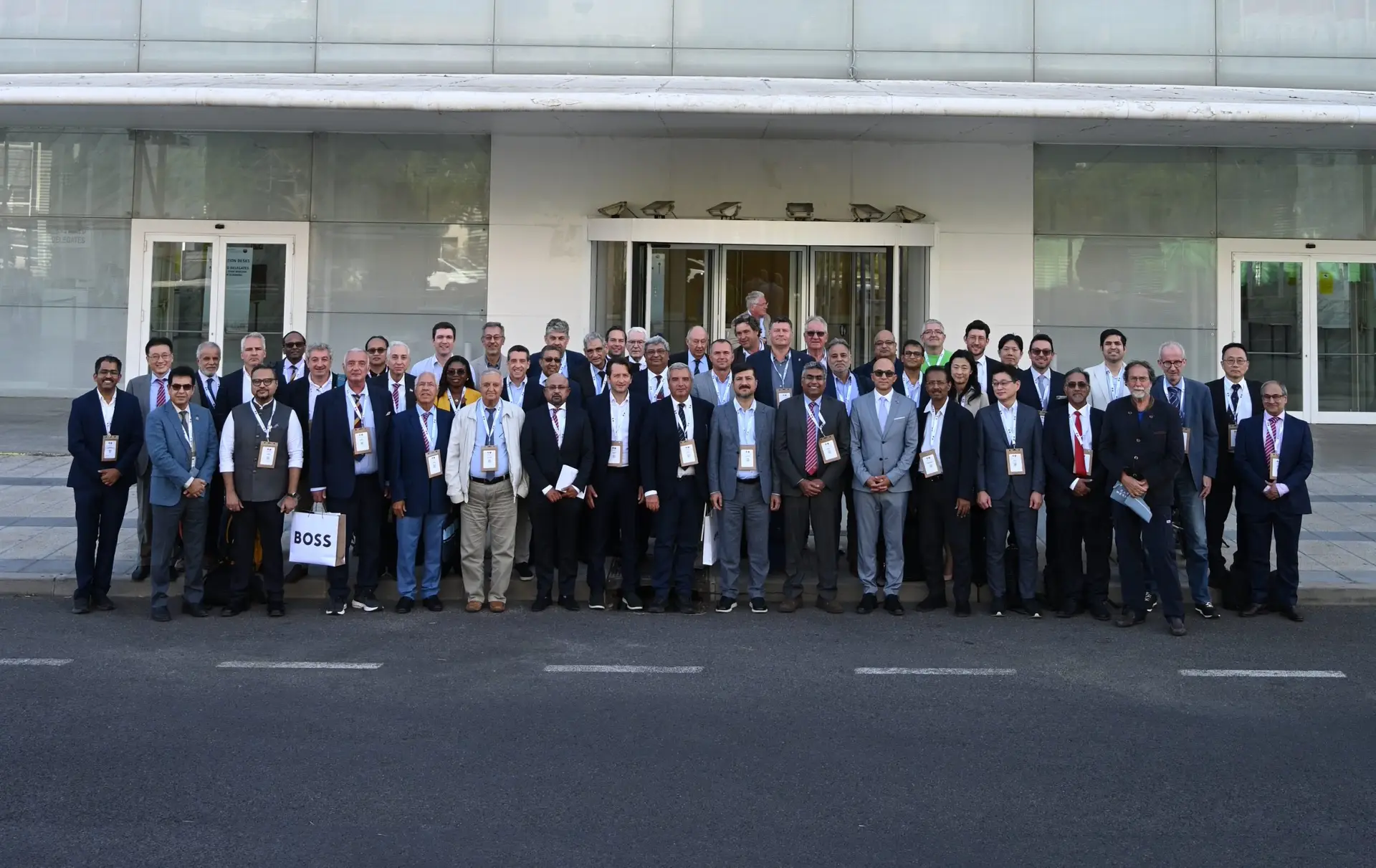
Discover the list of National Representatives and SICOT Past Presidents who are eligible to vote in the upcoming elections in Kyoto.
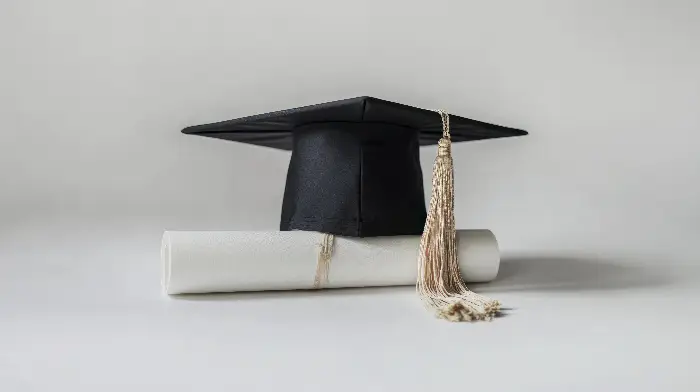
Registration for the prestigious 2026 SICOT Diploma Examination is now open. This internationally recognised qualification benchmarks orthopaedic knowledge and surgical competence, offering candidates a valuable credential that demonstrates excellence within the global orthopaedic community.

The SICOT 2026 World Congress is heading to Kyoto, Japan — and registration is now open. Join orthopaedic and traumatology specialists from around the world for what promises to be an unmissable scientific and professional gathering.
A twelve-week training fellowship at the University of Hong Kong, offering Asian orthopaedic surgeons clinical observation and research opportunities across a wide range of orthopaedic subspecialties.
A four-week SICOT Fellowship at Ganga Hospital, Coimbatore, providing focused specialist experience in trauma and spine surgery within one of India’s established orthopaedic training environments.
A six-week to one-year fellowship at the University of Padova, with specialist exposure to musculoskeletal oncology, tumour surgery, infection management, and complex hip and knee revision surgery.
A one- to two-month fellowship at Peking University Shenzhen Hospital, offering specialist training opportunities in spine surgery, sports medicine, rehabilitation, hand and microsurgery, and joint surgery.
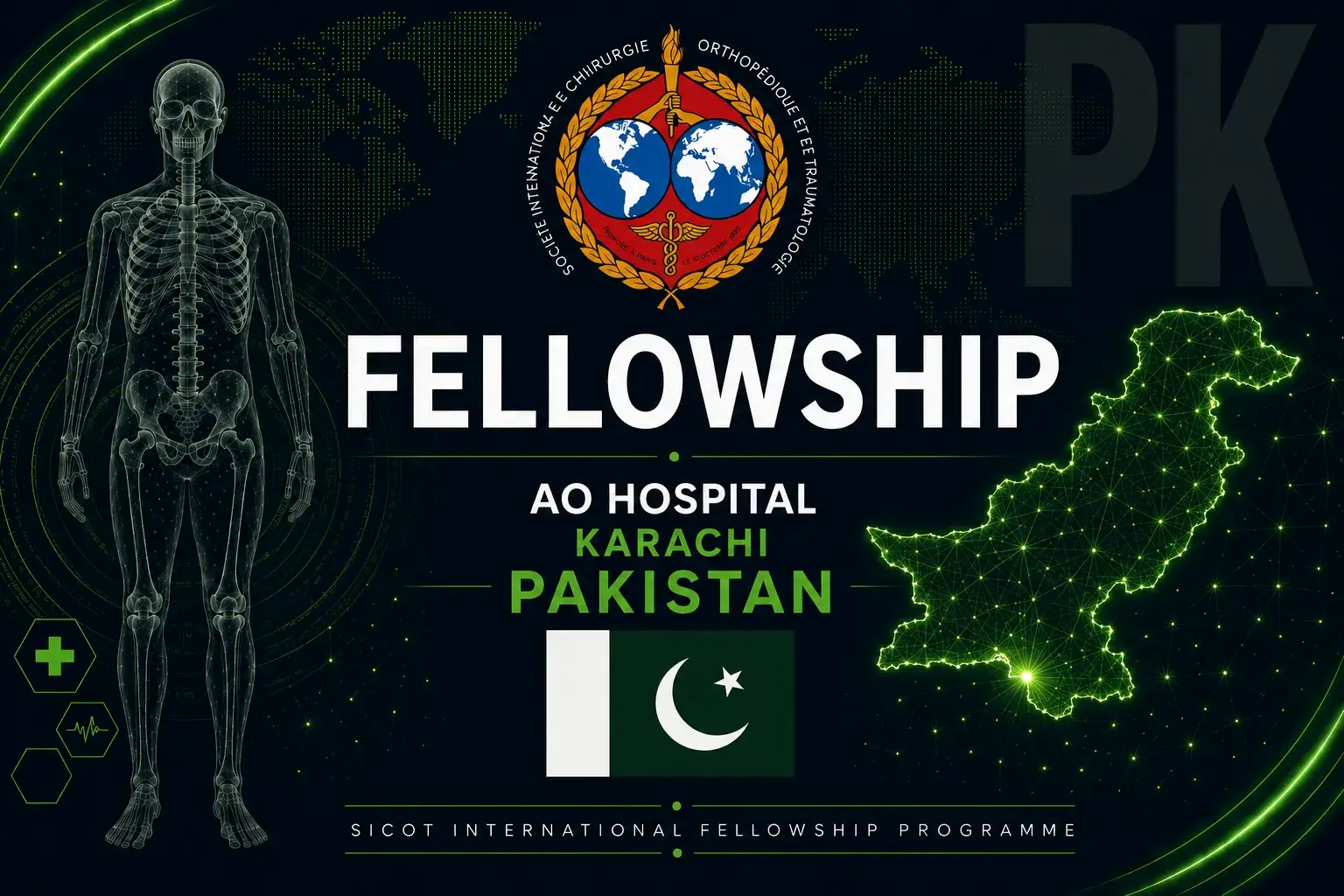
A six-week to three-month fellowship at AO Hospital, offering experience in sports surgery, knee arthroplasty and other orthopaedic specialties within a dedicated trauma and elective orthopaedic centre.
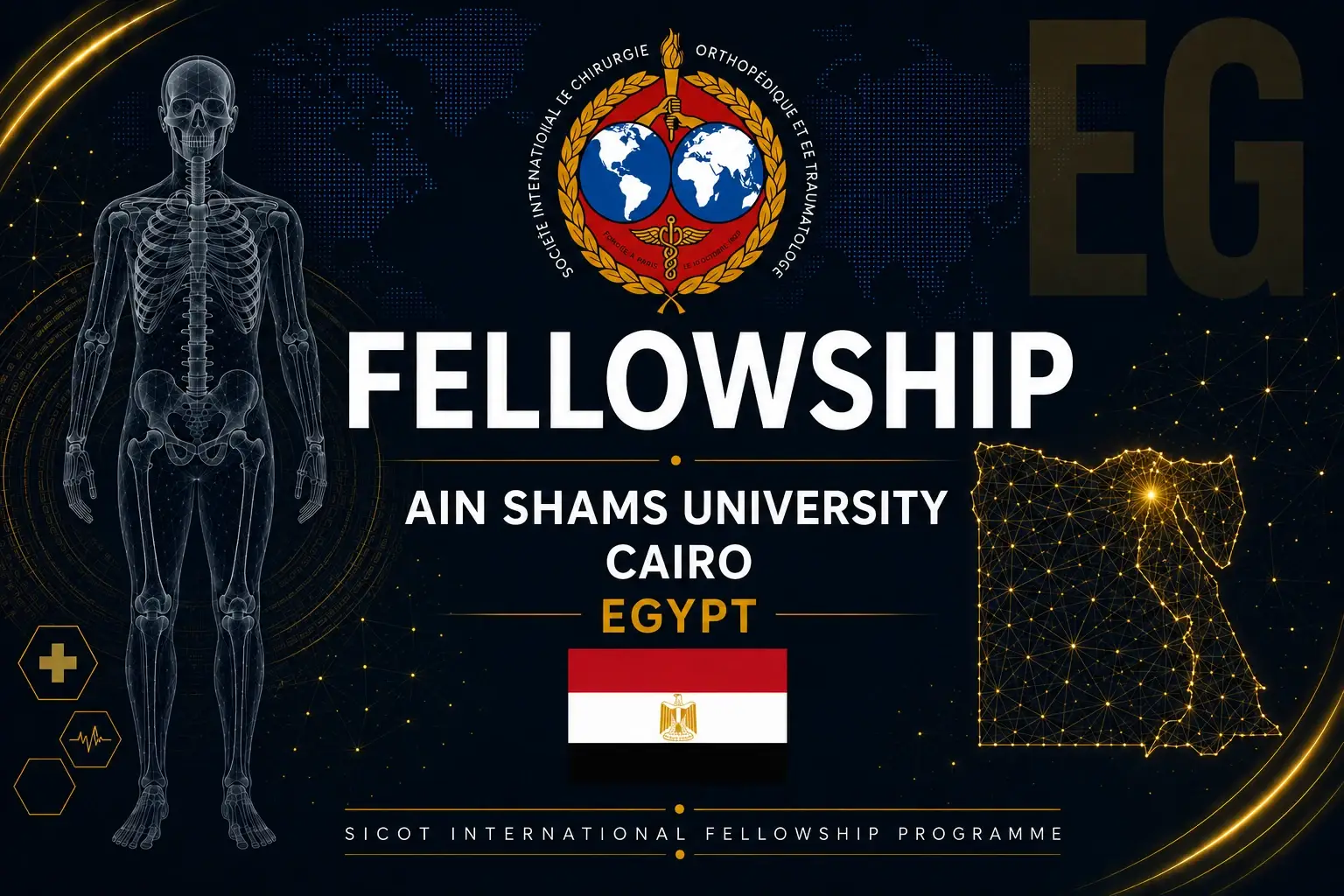
A six- to twelve-week SICOT Fellowship offering broad orthopaedic exposure at Ain Shams University, with particular expertise in sports surgery, paediatrics and trauma within a busy clinical environment.
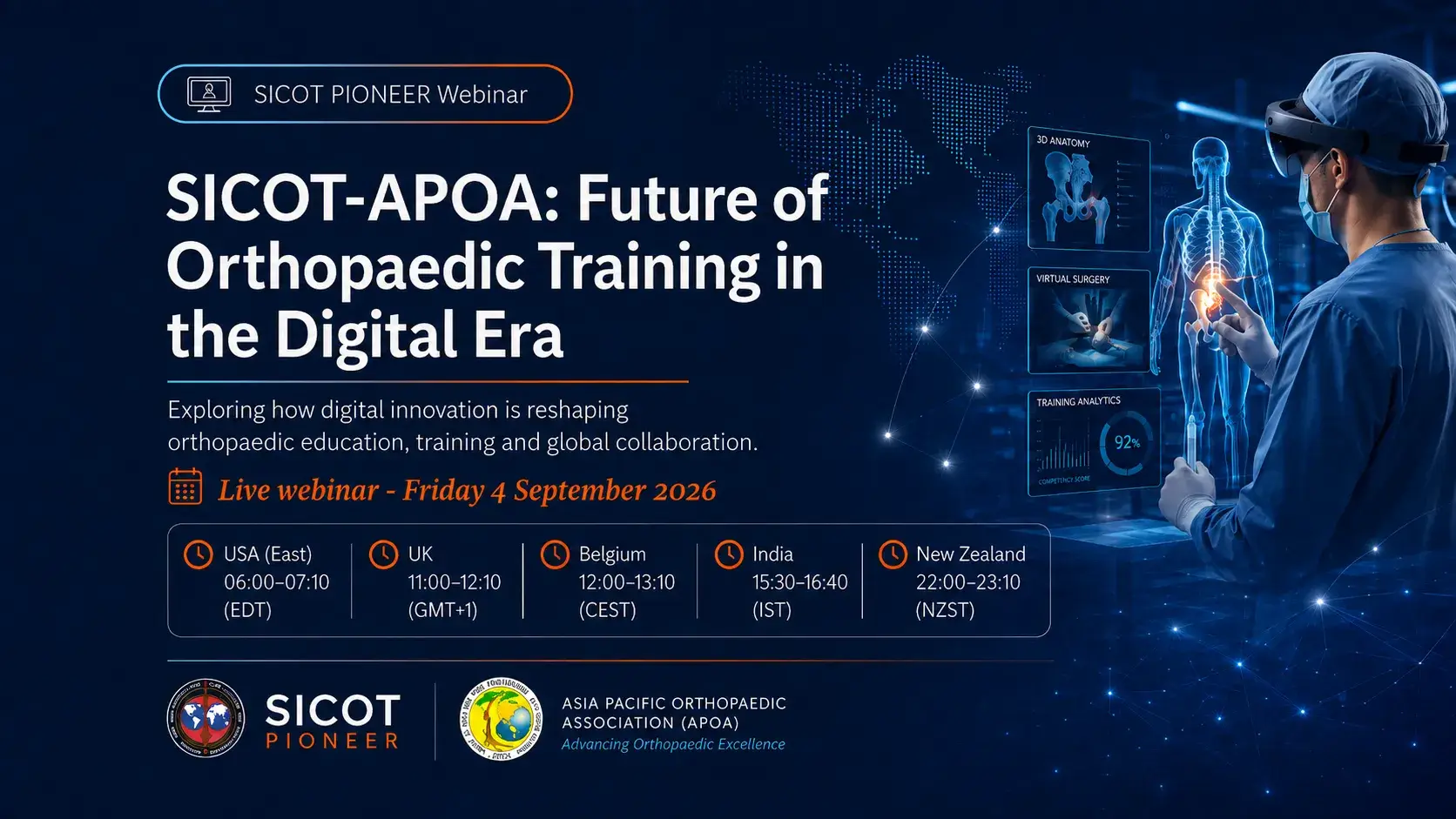
Join SICOT and the Asia Pacific Orthopaedic Association for a forward-looking PIONEER webinar exploring how digital innovation is transforming orthopaedic education. Topics include AI-supported learning, virtual surgery, digital anatomy, competency tracking, ethics, data privacy and global mentorship, with expert perspectives on the future of surgical training.
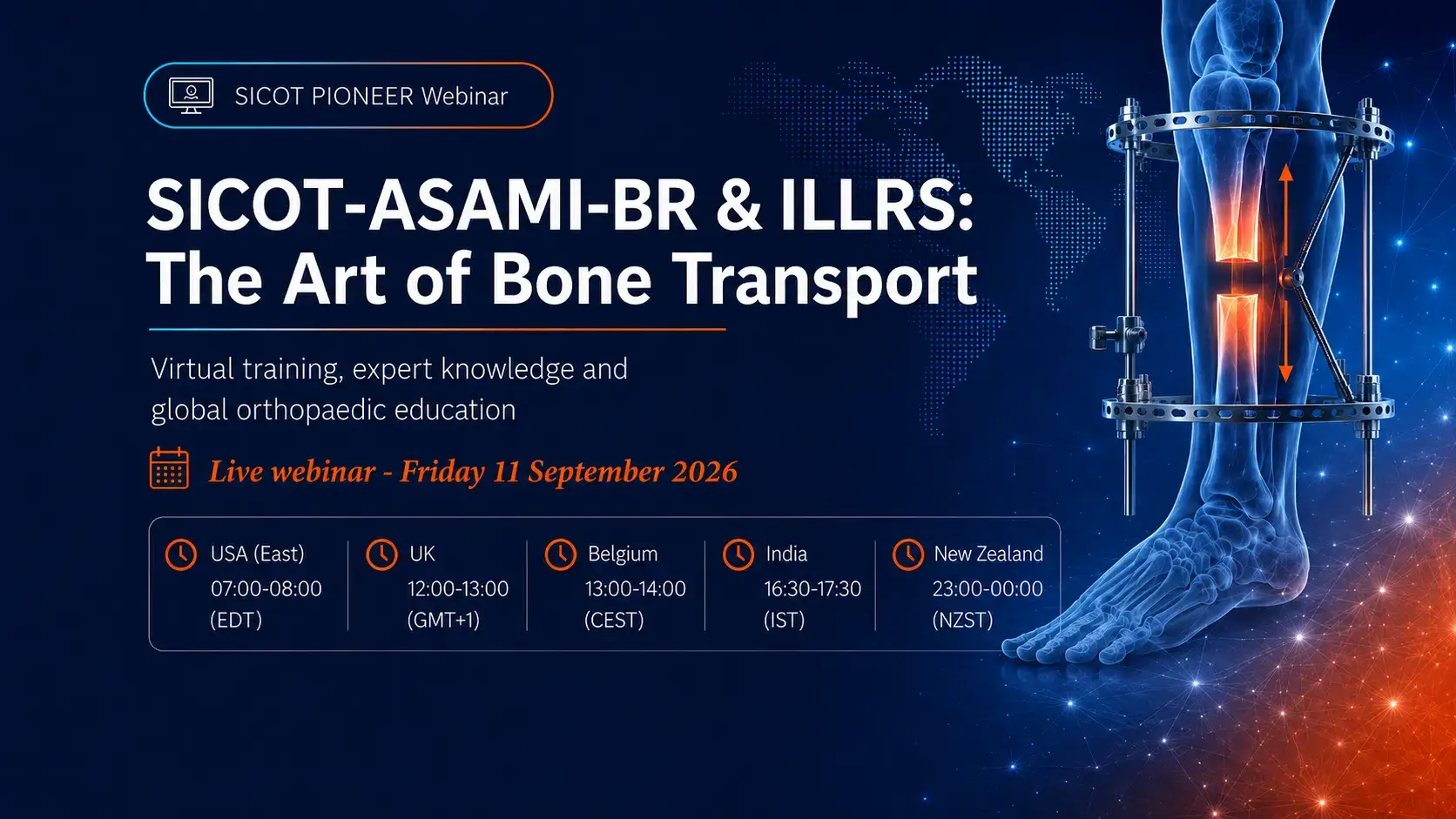
Join leading international experts for a focused PIONEER webinar exploring contemporary bone transport techniques and complex limb reconstruction. The session covers classification-based treatment, technical and surgical approaches, management of combined bone and soft-tissue defects, and practical strategies to improve outcomes in challenging reconstructive cases.